In this guide, parents explore the eerie yet insightful world of the banshees from Inisherin, uncovering how the film’s haunting atmosphere can spark meaningful conversations about courage, empathy, and the unseen forces shaping our lives. It invites a gentle, reflective journey. Together, brave
Why Parents Should Care About Banshees
Parents often seek stories that illuminate the human condition, offering lessons wrapped in narrative intrigue. The banshee myth, as reimagined in Inisherin, presents a compelling lens through which to examine the unseen pressures children face. By engaging with this folklore, parents can cultivate a shared space for dialogue about emotions that are frequently left unspoken; The banshee’s wail, a symbol of impending change, can serve as a metaphor for the subtle shifts that occur during adolescence, the quiet anxieties that accompany new responsibilities, and the unanticipated moments that test resilience. Moreover, the banshee’s role as a messenger of fate invites families to discuss balance between destiny and agency, encouraging children to recognize events are beyond control, responses. This perspective nurtures emotional intelligence, empowering youngsters to articulate feelings and seek support. In addition the banshee’s haunting presence underscores the importance of listening—both to external cues and internal signals—highlighting that attentive hearing is a cornerstone of healthy relationships. By integrating the banshee narrative into family conversations, parents can reinforce the value of empathy, vigilance, and proactive coping strategies, equipping children with tools to navigate complex social landscapes and personal challenges. Ultimately, the banshee’s story becomes a vehicle for parents to connect, educate, and inspire resilience in a world that is often unpredictable and demanding
Brief Overview of the Film
In the cinematic tapestry of Inisherin, director Martin McDonagh weaves a tale of solitude, camaraderie, and the haunting presence of a banshee that lingers in the misty Irish landscape. The story follows two lifelong companions, Pádraic and Colm, who find themselves at a crossroads when one decides to leave the island, sparking a series of events that blur the line between reality and myth. The film’s atmospheric visuals capture the rugged coastline, while its dialogue, sharp and poetic, reflects the characters’ inner turmoil. The banshee’s ethereal cries echo throughout the narrative, serving as a subtle reminder of the unseen forces that shape human destiny. Through its blend of dark humor and poignant melancholy, the film invites viewers to contemplate the fragility of bonds and the weight of unspoken sorrow. The narrative arc, anchored by strong performances, offers a rich canvas for parents to discuss complex emotions and the importance of communication in the face of change. The film’s unique blend of folklore and contemporary storytelling creates a memorable experience that resonates beyond its immediate plot, leaving audiences with lingering questions about fate, choice, and the quiet voices that guide us. This evocative retelling invites parents to explore the layers of myth and reality, encouraging them to ask questions about how unseen forces influence daily life and to nurture a sense of wonder while staying grounded in practical parenting strategies. for tomorrow.!! Stay on
Understanding the Banshee Mythology

The banshee, a spectral woman of Irish lore, heralds death with mournful wails. Traditionally bound to families, she appears before a loved one’s passing, guiding the living toward acceptance. Her presence in Inisherin underscores the fragile line between grief and hope, urging reflection and wonder.
Origins of the Banshee in Irish Folklore
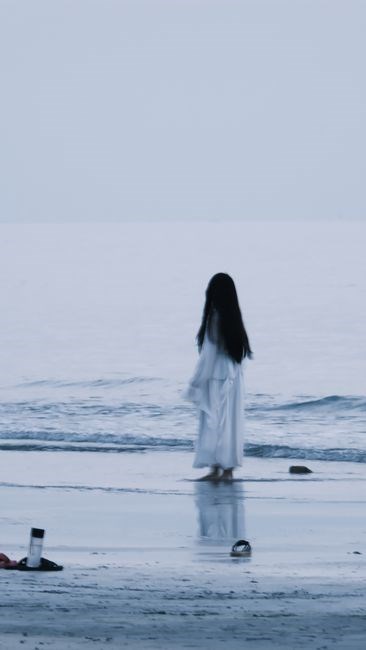
The banshee, a spectral figure in Irish mythology, is said to appear as a woman of sorrow, often wearing a white or grey cloak and carrying a lamenting wail that foretells imminent death. According to ancient lore, she is bound to families of the O’Neill, O’Connor, and other noble lineages, serving as a messenger of fate. Scholars trace her roots to the pre-Christian Celtic belief in the ’fée’ or fairy spirits, who were believed to inhabit the Otherworld and communicate with the living through song and vision. Over centuries, the banshee evolved into a symbol of mourning, embodying the collective grief of a community facing loss. Her presence in folklore is not merely supernatural; it reflects the cultural emphasis on honoring the dead and the belief that the soul must be guided to the afterlife. In modern retellings, the banshee’s wail is often portrayed as both a warning and a comfort, reminding people that death is a natural part of life’s cycle. The banshee’s lament, often described as a piercing cry that echoes through the misty valleys, serves as a reminder that even in the darkest moments, the presence of those who have passed can offer guidance and solace. In contemporary storytelling, the banshee has been reinterpreted as a guardian spirit, bridging the gap between the living and the dead, and encouraging communities to honor their shared histories with empathy and resilience. It reminds families to honor memories face loss bravely. The banshee’s echo reminds families to listen to voices those left, continuity.!
Key Themes Relevant to Parents
In Inisherin, the banshee’s mournful cry underscores the importance of listening to children’s hidden fears, fostering empathy, and guiding them through grief. Parents can use this motif to teach resilience, open dialogue, and value of community support during tough times.
Friendship and Isolation
In the film, the protagonist’s choice to sever ties with a long‑standing companion illustrates how fear of change can lead to loneliness. Parents can use this narrative to discuss the balance between independence and community, encouraging children to nurture friendships while respecting personal boundaries. The story shows that isolation often stems from unresolved emotions; the banshee’s wail becomes a metaphor for unspoken sorrow. By guiding children to articulate feelings, parents help them recognize that true connection requires vulnerability. The film also highlights that isolation can be self‑imposed when one refuses to accept help. Parents might prompt discussions about asking for support and the courage needed to do so. Additionally, the setting’s remote island reinforces the idea that physical distance can amplify emotional distance. Through role‑playing scenarios, families can practice how to offer support to a friend who feels alone. The narrative invites reflection on the importance of listening, empathy, and the willingness to step into another’s world. In doing so, children learn that friendship is a dynamic, reciprocal process that thrives on mutual understanding and shared experiences. By confronting the fear of isolation, parents empower their children to build resilient, supportive relationships that can weather any storm. Moreover, the film subtly demonstrates that isolation can be a catalyst for self‑reflection, prompting individuals to evaluate their values and priorities and so.
Grief and Loss
Grief, a silent tide that rises when a familiar presence fades is portrayed in the film as the banshee’s cry. Parents can frame this as a chance to explain that loss is a natural part of life, yet it does not erase the memory of those we love. The story shows how the protagonist wrestles with the absence of a lifelong friend, and how that void can feel like an unending night. By discussing the emotional landscape, children learn that it is okay to feel sadness, anger, or confusion, and that these emotions are signals, not signs of weakness. The banshee’s wail, a symbolic lament, reminds us that grief can manifest in unexpected ways—through dreams, sudden silence or a lingering sense of emptiness. Parents can encourage children to honor their feelings by creating a “grief journal,” where they write or draw what they miss, what they remember, and how they feel. This practice turns abstract sorrow into tangible expression, fostering resilience. The film also illustrates that isolation can intensify grief; when a child feels alone in their mourning, the pain can deepen. By modeling open conversation, parents demonstrate that sharing grief with trusted adults or peers can lighten the burden. The narrative invites families to create rituals—such as lighting a candle or sharing a favorite memory—to acknowledge loss while celebrating life’s continuity. Through these shared moments, children discover that grief, while painful, can lead to meaning, heal, and carry forward lessons learned from those who departed.

Practical Parenting Tips Inspired by the Film
Use the film’s haunting scenes to spark honest chats about emotions. Encourage kids to voice fears, then guide them to find calm through breathing or drawing. Model empathy by sharing your own feelings, showing that vulnerability builds trust and resilience in family bonds. Together, we grow.!!!?
Encouraging Open Communication
Parents can also use the film’s imagery of the banshee as a metaphor for worries. When a child, remind them that even the most silent cries can echo if listened to. Encourage journaling or drawing to express feelings. Celebrate victories in communication, like a child choosing to share a secret, and reinforce that honesty builds both respect and safety within the family circle. One effective strategy is to create a nightly ritual where each family member shares one positive moment and one challenge they faced that day. This practice normalizes vulnerability and shows that even the toughest days can contain bright spots. When a child expresses anxiety, guide them to identify the source—whether it’s a school assignment, a friendship issue, or a fear of the dark. Use simple language and analogies, such as comparing worries to a storm that can be weathered with teamwork. Parents can also model coping by demonstrating breathing exercises or grounding techniques, turning abstract stress into concrete actions. Additionally, encourage the use of a “feelings chart” where children can point to icons representing emotions like joy, sadness, or frustration. This visual tool helps them articulate feelings they might not yet have words for. Finally, celebrate progress by acknowledging when a child chooses to speak up instead of withdrawing. Praise the effort, not just the outcome, reinforcing that the act of sharing itself is valuable. Together, these practices weave a safety net that supports emotional growth for all now.
Teaching Resilience
In the film, the banshee’s haunting cry becomes a catalyst for confronting hidden fears. Parents can translate this into everyday resilience training by framing challenges as “small storms” that can be weathered with steady steps. Begin by normalizing setbacks: when a child fails a test or loses a game, describe the event as a temporary hiccup, not a permanent flaw. Encourage a growth mindset by praising effort over outcome, reinforcing that perseverance is the true measure of success. Next, model problem‑solving: together, break down a difficult task into manageable parts, and celebrate each milestone. This step‑by‑step approach mirrors how the film’s characters gradually uncover the truth behind the banshee’s wail, turning mystery into understanding. Provide a “resilience toolbox” filled with simple strategies—deep breathing, positive self‑talk, and a gratitude list, to use when emotions surge. Role‑play scenarios where the child must choose between giving up or trying again, allowing them to practice decision‑making in a safe environment. Use storytelling to illustrate how others have bounced back from adversity, drawing parallels to the film’s narrative arc. Finally, create a family ritual of reflection: at the end of each week, discuss what challenges were faced, what was learned, and how they can apply those lessons next time. By consistently reinforcing these habits, children develop an internal reservoir of resilience that will serve them throughout life.
Resilience thrives on routine. Set a nightly “reflection time” where each family member shares a win and a challenge, reinforcing that setbacks are learning opportunities, not failures. This practice builds trust!OK.

Activities for Families
Explore the banshee myth through family games, craft projects, and shared storytelling. Create a “Banshee Bingo” with clues, build a miniature village, or write a collective poem about courage. These activities spark imagination, teamwork, and conversation about emotions. Enjoy together, share.
Storytelling Sessions
Gather the family around a cozy hearth or a dimly lit living room, and let the ancient whispers of the banshee guide your narrative. Begin by setting the scene: a misty Irish shoreline, the distant echo of a lone harp, and the soft rustle of reeds. Invite each child to contribute a fragment—perhaps a name, a fear, or a secret wish. As the tale unfolds, weave in subtle lessons about listening, empathy, and the power of shared silence. Encourage the children to ask questions, to imagine how the banshee’s wail might signal a hidden truth or a call to action. Use props—a small lantern, a feathered quill, or a hand‑painted map—to make the story tangible. Pause occasionally to reflect on the emotions evoked, asking, “What does this part feel like?” and “How would you react if you were in that moment?” This interactive approach turns storytelling into a living dialogue, fostering emotional literacy and resilience. Conclude by inviting the family to create their own short “banshee” legend, using the motifs they found most compelling, and share it aloud. The ritual of storytelling not only preserves cultural lore but also strengthens bonds, builds confidence, and nurtures a sense of belonging. As families gather around the hearth, the story’s echo becomes a shared heartbeat, reminding each child that even in the darkest myths, courage, compassion, and the simple act of listening can transform fear into a bridge of understanding, weaving a tapestry of hope that endures beyond the night. Tonight!!!
Creative Arts Projects
Let the family’s imagination take flight as they translate the haunting allure of the banshee into visual and tactile art. Begin with a simple “mood board” activity: gather torn magazine clippings, watercolor swirls, and silver foil to capture the misty, ethereal atmosphere of Inisherin’s shoreline. Encourage each child to choose one element—perhaps the wind’s sigh, the sea’s hush, or the banshee’s mournful cry—and create a collage that reflects that feeling. Next, move to a more hands‑on project: sculpt miniature “banshee” figures using clay or playdough. While shaping, discuss the symbolism of each curve and the emotional resonance behind the banshee’s lament. Provide translucent paints so the figures can glow softly, echoing the film’s subtle light play. For a collaborative piece, craft a large family tapestry. Assign each member a section to paint or stitch, using a palette of muted blues, greys, and silvers. As they work, share stories about how the banshee’s presence might inspire courage or compassion. Finally, explore sound art: record ambient noises from your own backyard—wind, water, distant laughter—and layer them into a short audio montage. Play it back during a family circle, inviting everyone to interpret the sounds and discuss how they relate to the film’s themes of isolation and connection. These projects not only nurture creativity but also provide a tangible way to process complex emotions, turning the myth into a shared, healing experience. Together, these projects weave resilience, wonder, and shared joy.
Concluding Thoughts
After exploring the banshee’s presence in Inisherin, parents can reflect on how the film’s power mirrors everyday family dynamics. The story invites us to listen to the grief that lingers in homes, to recognize the subtle cries of children who feel unheard, and to honor the quiet courage that emerges when we face the unknown together. By turning the banshee’s lament into a conversation starter, families can practice listening, validate emotions, and build a language of empathy. The film’s muted so palette and gentle soundscape also remind us that beauty often resides in the shadows, encouraging parents to find moments of stillness amid the chaos of modern life. In doing so, children learn that silence can be a sanctuary, not a void. Parents can use the banshee’s story as a metaphor for resilience, showing that even in the bleakest moments, hope can echo softly like a distant wind. The guide encourages families to create rituals—such as nightly gratitude circles or reflective walks by the water—that echo the film’s themes of connection and healing. By weaving these practices into daily routines, parents foster an environment where every child feels seen, heard, and supported. Ultimately, the banshee’s haunting whisper becomes a gentle reminder that the most powerful magic in a family is the willingness to listen, to grieve together, and to rise stronger in the face of adversity. Let this echo guide, turning shadows into shared hope.