Overview of the 2017 Ford Expedition Owner’s Manual
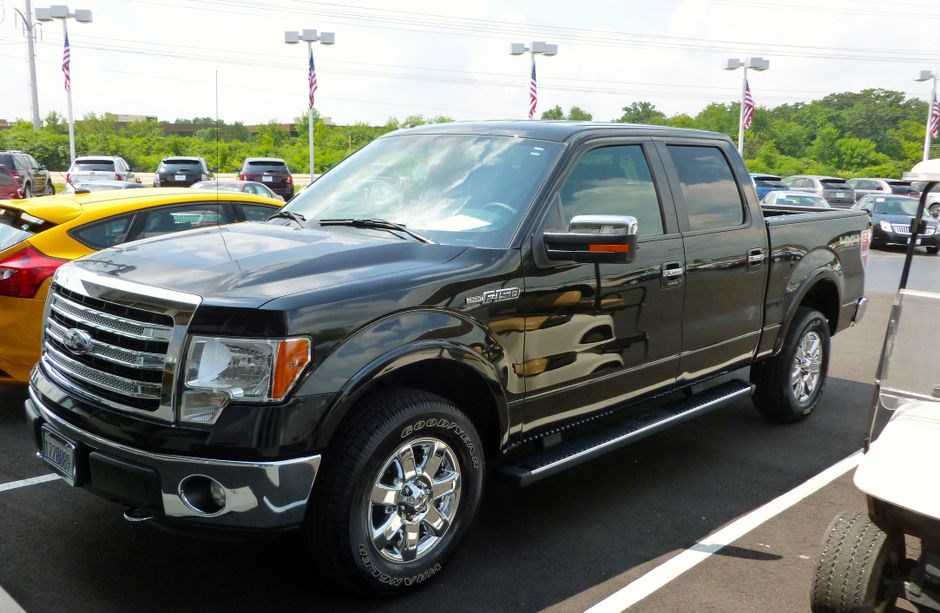
The 2017 Ford Expedition Owner’s Manual offers comprehensive guidance on vehicle features‚ safety‚ and maintenance. It details controls‚ settings‚ and troubleshooting‚ ensuring owners can operate and care for their Expedition confidently. It also offers a quick reference guide for emergencies!
Manual Purpose and Target Audience
The 2017 Ford Expedition Owner’s Manual serves as the primary reference for every Expedition owner‚ providing essential information for safe and efficient vehicle operation. Its purpose is to explain vehicle features‚ operating procedures‚ and maintenance requirements in clear‚ concise language. The manual is designed for a broad audience: new owners‚ experienced drivers‚ and those who may need to perform basic troubleshooting or routine care. It also assists professional mechanics and service technicians by offering detailed specifications and service guidelines. The manual’s structure includes an introductory section that outlines the vehicle’s key capabilities‚ a comprehensive overview of controls and settings‚ and a troubleshooting guide that addresses common issues. By following the manual’s recommendations‚ owners can avoid costly repairs‚ extend vehicle life‚ and maintain optimal performance. The manual also emphasizes safety‚ highlighting the importance of proper use of seat belts‚ child restraints‚ and vehicle systems. Additionally‚ it offers guidance on how to interpret warning lights‚ use the onboard diagnostic system‚ and respond to emergencies. The target audience is anyone who owns or operates a 2017 Expedition‚ from first‑time buyers to seasoned drivers‚ ensuring that all users have access to reliable‚ up‑to‑date information that supports safe‚ responsible ownership.

Publication Details and Revision History
The 2017 Ford Expedition Owner’s Manual was first issued by Ford Motor Company in 2017 as part of the documentation for the Expedition. It is available in hard‑copy and formats and can be obtained from Ford dealerships‚ the Ford website‚ and authorized digital libraries. Ford’s publication policy requires that each model manual be reviewed and updated annually to reflect changes in vehicle features‚ safety regulations‚ and industry standards. The 2017 edition incorporates revisions from the 2016 year‚ including updated infotainment instructions‚ revised system guidelines‚ and new safety feature descriptions for the technologies introduced in 2017. The manual’s revision history is listed in the front matter‚ where each update is recorded with a revision number‚ date‚ and brief description. Revision 3.2 was issued on March 12‚ 2018‚ adding clarifications for the new navigation integration and updated response procedures. All revisions are tracked in a version‑control system‚ ensuring that dealers and owners can identify the exact manual version they are using. The publication details include a copyright notice‚ a disclaimer of warranties‚ and a statement that the manual is intended for use only with Ford Expedition vehicles manufactured in the United States. The manual is printed on paper with a durable cover and is also available as a that can be printed at home. Ford’s FTP site hosts the PDF‚ and the file size is approximately 12 MB‚ allowing owners to access the manual quickly and without cost. The manual also includes a guide for procedures. Additionally‚ it offers a section that helps owners diagnose common electrical issues!!!.

How to Access and Download the Manual
Owners can download the 2017 Expedition manual via Ford’s official website or FTP. Search “2017 Expedition owner manual PDF” and click the link. The file is free‚ 12 MB‚ and opens in any PDF viewer. For quick reference‚ print the PDF or save it to a USB drive. If PDF fails‚ use another viewer now
Official Ford FTP and PDF Downloads
Ford’s official FTP site hosts the 2017 Expedition Owner’s Manual in PDF format. To access it‚ navigate to Ford Owner Resources and select the 2017 Expedition from the model list. The manual is available as a single 12‑MB PDF file‚ which can be downloaded directly or viewed online. The FTP path typically follows the pattern /manuals/2017/expedition/owner.pdf. For users who prefer a quick reference‚ Ford also offers a condensed “Quick Start” PDF that highlights key controls and safety warnings. Once downloaded‚ the PDF can be opened with any standard reader such as Adobe Acrobat Reader‚ Foxit Reader‚ or the built‑in PDF viewer on most operating systems. If the download fails‚ try clearing your browser cache or using a different browser. Ford’s support team can also provide a direct link if you encounter any issues. The manual includes sections on vehicle overview‚ operating instructions‚ maintenance schedules‚ and safety information‚ all formatted for easy navigation with bookmarks and a searchable index. By downloading the official PDF‚ owners ensure they have the most up‑to‑date information‚ including any revisions or updates that may have been released after the initial publication date. The file is free and can be printed or stored digitally for future reference. For those who prefer a physical copy‚ the PDF can be printed in full or in a condensed version to fit a standard 8.5×11 sheet. Ford offers a mobile‑optimized manual via the Ford Mobile App‚ view it on smartphones or tablets while on the road.!
Third-Party Digital Libraries and Compatibility
- Searchable PDF with full-text index.
- Zoom and pan for detailed diagrams.
- Bookmarking and page navigation.
- Offline reading after download.
- Print‑friendly view for quick printing.
These libraries provide a convenient alternative for owners who prefer quick access or offline use‚ but always cross‑check with Ford’s official documentation for the most accurate and up‑to‑date information Thanks

Manual Contents and Organization
The manual is divided into sections: vehicle overview‚ controls‚ maintenance‚ and safety. Each chapter contains diagrams‚ step‑by‑step instructions‚ and troubleshooting tips. A quick‑reference index and glossary aid navigation‚ while the appendix lists part numbers and service intervals. for owners.!!!?
Vehicle Overview and Features Summary
The 2017 Ford Expedition is a full‑size SUV built on the T1 platform‚ offering robust performance and spacious interiors. It features a 3.5‑liter EcoBoost V6 engine delivering 280 hp and 365 lb‑ft of torque‚ paired with a 10‑speed automatic transmission for smooth shifting.
Inside‚ the Expedition accommodates up to eight passengers across three rows. The cabin is equipped with tri‑zone climate control‚ leather upholstery‚ and a 10‑inch touchscreen infotainment system that supports Apple CarPlay‚ Android Auto‚ and a premium Bose audio system. Optional safety technologies include adaptive cruise control‚ lane‑keeping assist‚ blind‑spot monitoring‚ and a 360‑degree camera system for enhanced visibility.
Exterior styling features a bold grille‚ LED headlights‚ and a roof rack for cargo. The vehicle’s safety architecture incorporates a reinforced passenger cell‚ multiple airbags‚ and a comprehensive collision‑avoidance system. Fuel economy averages 17 mpg city/23 mpg highway‚ reflecting efficient powertrain design.
The Expedition’s interior is designed for comfort‚ featuring power‑adjustable seats‚ heated front seats‚ and a rear‑seat entertainment system with a 7‑inch display. Cargo capacity reaches 140 cubic feet with all seats folded‚ and the 4‑wheel‑drive system provides traction control in off‑road conditions. The vehicle’s advanced infotainment includes navigation‚ Wi‑Fi hotspot‚ and a 12‑speaker Bose system for immersive audio. Enjoy the journey‚ safely.!Enjoy!
Operating Instructions‚ Controls‚ and Settings
To begin‚ locate the driver’s seat controls: the steering wheel‚ gear selector‚ and infotainment touchpad. The gear selector is a rotary dial on the center console; turn clockwise for “Drive” (D)‚ counter‑clockwise for “Reverse” (R)‚ and press the button for “Park” (P). The shift lock disengages automatically when the brake pedal is depressed.
Infotainment is accessed via the 10‑inch touchscreen. Press the “Home” icon to view media‚ navigation‚ and vehicle settings. To activate Apple CarPlay or Android Auto‚ connect the smartphone with a USB cable and select the corresponding icon.
The driver’s safety features include the “Driver‑Assist” button on the steering wheel. Pressing it toggles adaptive cruise control‚ lane‑keeping assist‚ and blind‑spot monitoring. For vehicle diagnostics‚ press the “Info” button on the dashboard to access tire pressure‚ fuel level‚ and maintenance reminders.
Seat adjustments are controlled by the side panels on the driver’s seat. The height‚ tilt‚ and lumbar support are adjusted with the corresponding levers. The seat belt buckle is located on the driver’s side door; a quick‑release lever allows for rapid fastening and unfastening.
All controls are designed for ergonomic use‚ with tactile feedback and clear labeling. For detailed procedures‚ consult the “Operating Instructions” section in the manual‚ which includes step‑by‑step diagrams and safety cautions for each feature. All features are fully documented for users.

Maintenance‚ Service‚ and Repair Information
The 2017 Expedition manual lists scheduled maintenance intervals‚ oil changes‚ filter replacements‚ and tire rotations. It also details troubleshooting steps‚ diagnostic codes‚ and recommended repair procedures for common issues. See manual here;!!?
Scheduled Maintenance Schedule and Service Intervals
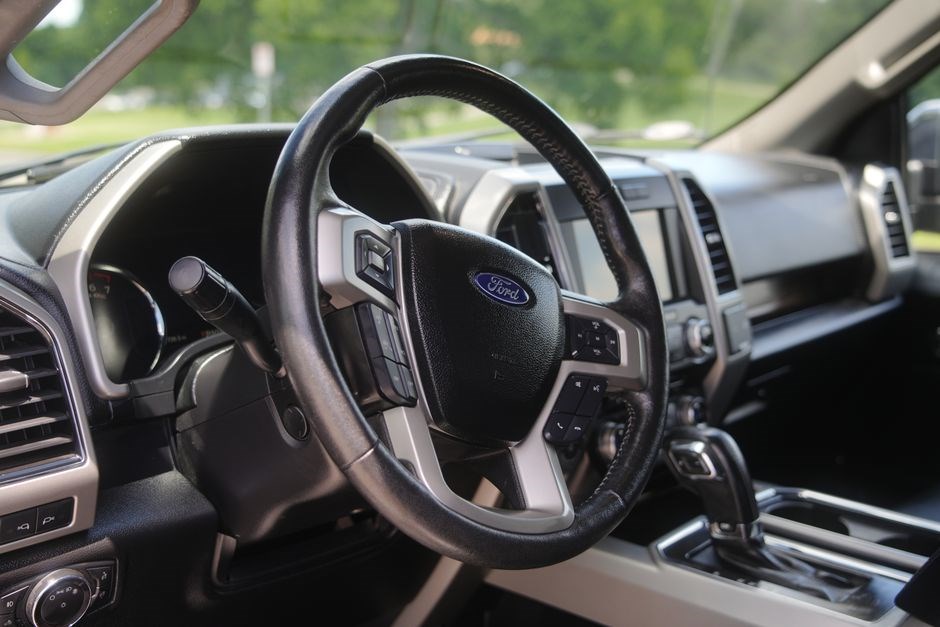
The 2017 Expedition Owner’s Manual specifies a structured maintenance schedule to keep the vehicle operating safely and efficiently. Oil and filter changes are recommended every 10‚000 miles or 12 months‚ whichever comes first‚ using the manufacturer‑approved synthetic blend. Air‑filter replacement occurs at 30‚000‑mile intervals‚ while the cabin‑air filter should be inspected and replaced at 15‚000 miles or when performance degrades. Tire rotation and inspection are advised every 10‚000 miles to promote even tread wear. Brake‑fluid replacement is required at 30‚000 miles or 24 months‚ brake‑pad thickness should be checked at each service visit. Transmission fluid and filter change is scheduled for 60‚000 miles‚ with a fluid‑level check at each oil change. Coolant is refreshed every 60‚000 miles or 48 months‚ and the heater‑core should be inspected for leaks during this interval. Spark plugs are rated for 100‚000 miles‚ and timing‑chain tension should be verified at 60‚000 miles. The battery is inspected for corrosion and charge capacity at each oil change; a full‑charge test is recommended every 12 months. Finally‚ the driver’s manual lists periodic checks for the power‑train‚ suspension‚ and steering components‚ ensuring that all safety‑critical systems remain in optimal condition throughout the vehicle’s life. Owners should consult the service bulletin for any recall software update that may affect the Expedition’s powertrain‚ transmission‚ or safety systems‚ ensuring compliance with standardsnow!
Common Repairs‚ Troubleshooting‚ and Diagnostic Procedures
Owners can maintain the Expedition’s reliability and extend its service lifefollowing these steps‚ you ensure safety. The tire‑pressure after a tire change. Carefully

Safety‚ Warranty‚ and Legal Disclaimers
The 2017 Expedition manual emphasizes safety‚ covering seat belt use‚ child restraints‚ and emergency procedures. Warranty details cover parts‚ labor‚ and coverage periods. Legal notices clarify liability‚ user responsibilities‚ and regulatory compliance. Check the warranty booklet for limits and terms.
Safety Warnings‚ Recommendations‚ and Mandatory Procedures

Before operating the 2017 Expedition‚ read all safety warnings to avoid injury and damage. Seat belts must be fastened by all occupants; child restraints must meet FMVSS 213 standards. Keep the driver’s seat adjusted for proper visibility and control. Do not use the vehicle with a damaged or missing seat belt.
Always check tire pressure and tread depth before long trips. Use only the recommended tire type and load rating. Avoid driving on wet or icy roads without proper tires. If the vehicle has a rear‑view camera‚ ensure the camera is clean and functional; do not rely solely on the camera when backing up.
When parking on slopes‚ engage the parking brake and set the transmission to “Park.” Do not leave the vehicle in neutral or “Drive” on an incline. Use wheel chocks for added safety when the vehicle is unattended for extended periods.
Never use the vehicle for towing beyond the manufacturer’s specified gross trailer weight; Check the towing package and hitch specifications before connecting a trailer. Use a properly rated hitch and ensure the trailer’s brakes are functional.
Follow all child safety seat installation instructions. Place the seat in the rear seat‚ not the front. Use the vehicle’s seat belt or LATCH system as required. Do not install a child seat in a seat that is not designed for it.
When operating the vehicle in extreme temperatures‚ allow the engine to warm up before driving. Do not use the vehicle’s heating or cooling systems to overheat or over‑cool the engine. Check the coolant level regularly.
Always wear a seat belt and ensure all passengers do the same. Do not use the vehicle’s seat belt or child restraint system if it is damaged or malfunctioning. Report any issues to a Ford dealer immediately.
Follow all safety warnings in the “Emergency Procedures” section‚ including the use of the emergency brake and the procedure for a fire. Keep a fire extinguisher in the vehicle and know how to use it. Do not attempt to drive the vehicle if the engine has a serious fault.
Keep the vehicle’s interior and exterior free of debris that could interfere with sensors or cameras. Do not block the rear‑view mirror or the side‑view mirrors. Keep the windshield clean and free of obstructions.
Follow all manufacturer recommendations for maintenance and repairs. Do not use aftermarket parts that do not meet the manufacturer’s specifications. Use only Ford‑approved service centers for major repairs.
Always use the correct fuel type for the vehicle. Do not use gasoline with a higher octane rating than recommended. Use only gasoline that meets the specifications in the owner’s manual.
Do not operate the vehicle while under the influence of alcohol or drugs. Follow all local traffic laws and regulations. Do not exceed the posted speed limit or drive in a manner that endangers other road users.
Use caution when operating the vehicle in adverse weather conditions. Adjust your driving style to match the road conditions. Do not drive through standing water that could cause hydroplaning.
Always keep a spare tire and the necessary tools in the vehicle. Check the spare tire’s condition and pressure regularly. Do not use a flat or damaged spare tire for extended periods.
Follow all safety instructions for the vehicle’s accessories‚ such as the roof rack and cargo carrier. Do not overload the vehicle beyond its maximum payload capacity. Use the correct load distribution to maintain vehicle stability.
Always keep the vehicle’s battery charged and in good condition. Check the battery terminals for corrosion and clean them if necessary. Do not leave the vehicle’s battery disconnected for extended periods.
Follow all safety warnings related to the vehicle’s electrical system. Do not tamper with the vehicle’s wiring or electrical components. Use only approved replacement parts for the electrical system.
Always keep a first aid kit in the vehicle. Know how to use the kit and keep it in a readily accessible location. Do not leave the vehicle unattended in extreme temperatures.
Follow all safety warnings related to the vehicle’s exhaust system. Do not block the exhaust or modify it in a way that could cause damage or emissions violations. Keep the exhaust system in good condition.
Always keep the vehicle’s doors locked when unattended. Use the vehicle’s alarm system to deter theft. Do not leave valuables in plain sight inside the vehicle.
Follow all safety warnings related to the vehicle’s braking system. Check the brake fluid level regularly and replace it as recommended. Do not drive the vehicle if the brakes are not functioning properly.
Always keep the vehicle’s windshield wipers in good condition. Replace them when they become worn or damaged. Do not drive with broken or missing wipers in wet conditions.
Follow all safety warnings related to the vehicle’s lighting system. Replace bulbs as needed and keep the lights clean. Do not drive with a malfunctioning headlight or taillight.
Always keep the vehicle’s HVAC system in good condition. Check the refrigerant level and replace it as needed. Do not use the vehicle’s HVAC system if it is not functioning properly.
Follow all safety warnings related to the vehicle’s suspension system. Check the suspension components for wear and replace them as needed. Do not drive the vehicle if the suspension is damaged.
All 2017 Expedition vehicles are covered by Ford’s limited warranty‚ which includes a 3‑year/36‚000‑mile bumper‑to‑bumper coverage and a 5‑year/60‚000‑mile powertrain warranty. The warranty applies to parts and labor for manufacturing defects and is valid only when the vehicle is serviced at an authorized Ford dealership. The warranty period begins on the date of first delivery and is not affected by mileage or normal wear items such as tires‚ brakes‚ or wiper blades.

Ford offers a complimentary 3‑year/36‚000‑mile roadside assistance program‚ covering towing‚ battery jump‑start‚ lockout‚ and flat‑tire services. The program is available 24/7 and can be accessed by calling the toll‑free number listed in the owner’s manual. The assistance is limited to the vehicle’s original VIN and does not cover damage caused by third‑party modifications.
Service policies require that all maintenance be performed by Ford‑certified technicians using genuine Ford parts. Non‑Ford parts may void the warranty. The manual lists recommended service intervals for oil changes‚ filter replacements‚ and fluid checks. Failure to adhere may result in warranty denial.
Legal notices include a disclaimer that Ford does not guarantee the vehicle’s performance under extreme conditions. The manual states that the information provided is subject to change and that Ford reserves the right to modify or discontinue any feature without notice. Users must comply with all local‚ state‚ and federal regulations.
For detailed warranty terms‚ consult the Warranty Information booklet included in the vehicle’s documentation. Contact your local Ford dealer for any warranty claims or service inquiries. All warranty claims must be submitted within the coverage period and may require proof of purchase and service records.